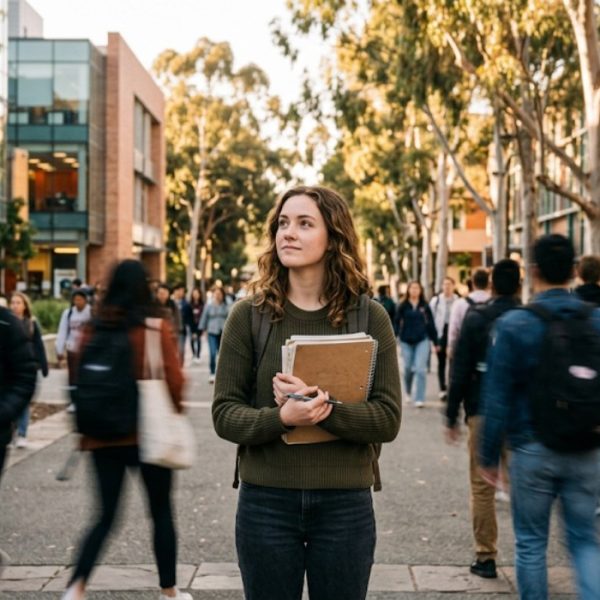
Schools and districts that welcome refugee students quickly discover that language and culture are not side issues—they are central to every academic, social, and emotional outcome. When educators understand how communication styles, prior educational experiences, and family expectations intersect with the learning environment, they can design programs that accelerate growth instead of unintentionally creating barriers. In a digital era where communities, nonprofits, and education leaders also share their impact stories online, building visibility with strategies like dofollow backlinks helps ensure that successful models for refugee education reach a wider audience of practitioners and decision-makers.
1. Language Proficiency Is the Foundation of Academic Access
For refugee students, language acquisition is often the single largest predictor of classroom success. Academic language—the vocabulary and structures used in textbooks, exams, and instructions—differs greatly from everyday conversation. Even students who seem conversationally fluent may struggle to decode word problems in math, interpret primary-source documents in history, or analyze complex scientific texts.
Schools that prioritize targeted language-development support, such as sheltered instruction or dual-language programs, provide refugee students with the tools to fully participate in the curriculum. Strategic grouping, explicit vocabulary instruction, and visuals or graphic organizers help reduce the cognitive load, allowing students to demonstrate their real abilities instead of being limited by language barriers.
2. First-Language Literacy Accelerates Second-Language Learning
Many refugee students arrive with strong literacy in their home language, while others have had interrupted or minimal schooling. These starting points matter. Research shows that literacy skills—such as understanding how texts are organized, recognizing main ideas, and using context clues—transfer across languages. When schools recognize and build on existing first-language skills, they speed up second-language acquisition.
Practical strategies include offering bilingual reading materials, encouraging families to read and discuss school topics in their home language, and allowing students to draft or brainstorm in the language they know best. Rather than viewing the home language as an obstacle, effective programs treat it as an intellectual asset that makes learning more efficient and less frustrating.
3. Cultural Norms Shape Classroom Behavior and Participation
Cultural expectations about authority, participation, and collaboration heavily influence how refugee students navigate school. In some cultures, students are expected to remain quiet and deferential; in others, questioning and debate are discouraged. A student who avoids eye contact, speaks softly, or rarely raises a hand might be showing respect—not disengagement.
Educators who understand these norms can interpret behavior more accurately and create clear, culturally sensitive expectations. Explicitly modeling how to participate in discussions, work in groups, or ask for help makes the “hidden rules” of the classroom visible. This not only benefits refugee students, but also supports a more transparent learning environment for all learners.
4. Trauma, Displacement, and Identity Influence Learning Readiness
Many refugee students have experienced war, persecution, loss, or long periods of instability. These experiences can affect concentration, memory, emotional regulation, and trust in institutions. At the same time, students may be grappling with identity questions: balancing a new national culture with their heritage, dealing with stereotypes, or navigating family expectations.
Trauma-informed and culturally responsive practices help mitigate these challenges. Predictable routines, emotionally safe classrooms, access to counseling, and staff trained in recognizing trauma responses create an atmosphere where students can focus on learning. When schools affirm students’ identities and languages through curriculum choices and inclusive celebrations, they send a powerful message: you belong here.
5. Family Engagement Depends on Cultural and Linguistic Bridges
Refugee families often place a high value on education, but they may be unfamiliar with local systems, grading practices, or expectations around homework and parent involvement. Language barriers, transportation issues, work schedules, and past negative experiences with authorities can all limit participation in school events or decision-making.
Schools that invest in interpreters, translated communications, and cultural liaisons dramatically improve engagement. Hosting multilingual family nights, using community radio or messaging apps for outreach, and inviting families to share their stories or traditions in classrooms builds trust. When families understand how the school works and feel respected, they become powerful partners in their children’s success.
6. Peer Relationships Reflect Language and Cultural Comfort Zones
Social belonging is critical to academic success, and language and culture shape how easily refugee students form peer relationships. Students may initially gravitate toward classmates who share their language or background for a sense of safety and understanding. While these connections are valuable, they can also limit opportunities to practice the new language or integrate more fully into school life.
Structured peer mentoring, cooperative learning, and extracurricular clubs create low-pressure opportunities for cross-cultural friendships. When schools intentionally build mixed-language teams and celebrate diverse perspectives, they transform language differences into learning opportunities rather than social barriers. Positive peer networks, in turn, support motivation, attendance, and long-term persistence.
7. Curriculum Relevance and Representation Drive Engagement
When refugee students never see themselves or their histories reflected in textbooks, they may internalize the idea that their experiences do not matter. A curriculum that acknowledges global migration, multiple perspectives, and diverse contributions signals that all backgrounds are valuable.
Educators can incorporate literature by authors from students’ regions of origin, use case studies that highlight global issues, and invite community members to share expertise. Simple choices—like including names from different cultures in math problems or featuring multilingual signage in hallways—reinforce the message that multilingual and multicultural identities are strengths, not deficits.
8. Assessment Practices Must Account for Language and Culture
Standardized tests and traditional assessments frequently conflate language proficiency with content knowledge. Refugee students may understand math concepts or scientific principles but lack the language to fully explain their thinking. Cultural references in test questions can also confuse students who are unfamiliar with local idioms, sports, or customs.
More equitable assessment practices include using visuals, allowing oral responses, providing glossaries or translated instructions, and evaluating growth over time rather than one-time performance. Portfolios, performance tasks, and teacher observations can offer a fuller picture of what students know and can do, independent of language barriers.
9. Educator Training and Mindset Determine Program Impact
Ultimately, the success of refugee students depends on how well educators understand and act on the interplay between language, culture, and learning. Professional development that addresses second-language acquisition, cultural humility, and trauma-informed practice equips staff with concrete strategies. Just as important is a mindset that sees refugee students not as problems to solve, but as resilient, capable learners with valuable perspectives.
When school leaders prioritize these competencies, allocate time for collaboration, and measure progress beyond test scores, they create conditions where innovative practices can flourish. Over time, this leads to more inclusive classrooms, stronger outcomes, and a school culture that benefits every student.
Conclusion: Building Environments Where Refugee Students Thrive
Language and culture shape every dimension of refugee students’ educational journeys—from how they process information and express understanding to how they form relationships and see their place in the world. When schools intentionally design programs that honor home languages, respect cultural norms, support mental health, engage families, and train staff, they unlock the remarkable potential these students bring.
The payoff extends beyond individual achievement. Classrooms that successfully integrate refugee learners become richer spaces for critical thinking, empathy, and global awareness. By centering language and culture in policy, practice, and public storytelling, educators help build school systems and communities where all students can learn, contribute, and succeed.